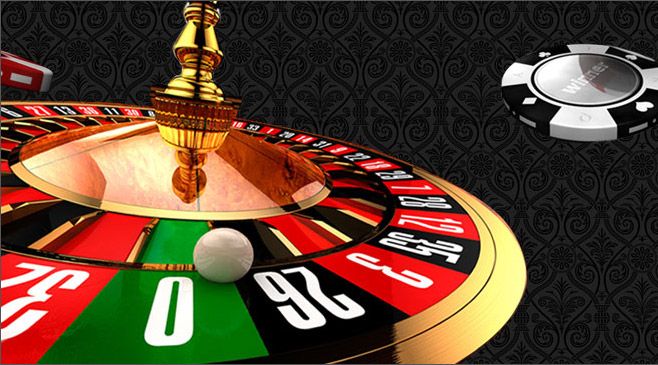
The Ultimate Guide to Casino Games: What to Play and How to Win
Casino games are structured forms of wagering in which players stake money on outcomes governed by chance or skill, such as slots, blackjack, roulette, and poker. Each game follows its own rules and odds, giving players clear ways to place bets and understand potential payouts. Beyond the thrill of play, casino games offer entertainment, social interaction at tables, and the chance to test strategy in games like poker and blackjack.
The Psychology Behind Player Engagement in Casino Games
The psychology behind player engagement in casino games hinges on variable ratio reinforcement, where unpredictable rewards trigger dopamine releases that keep players returning. Loss aversion makes near-misses feel like victories, encouraging continued play despite setbacks. Illusion of control convinces players that skill influences outcomes in games of chance, boosting persistence. Instant feedback loops from spins and deals create immersive flow states that distort time perception. Casino games exploit these cognitive biases by pacing rewards unpredictably, making engagement feel effortless and exciting. Understanding these mechanisms helps players recognize when psychological triggers, not strategy, drive their decisions.
Understanding the Thrill of Random Rewards
The thrill of random rewards in casino games stems from unpredictable payout schedules that trigger dopamine release more powerfully than fixed outcomes. When players cannot anticipate exactly when a win will occur, each spin or deal creates genuine suspense that heightens emotional investment. This variable reward psychology explains why slot machines and roulette retain attention so effectively: the brain responds to uncertainty itself, not just the prize. Short intervals between bets amplify this effect, making each round feel like a fresh opportunity. Understanding this mechanism helps players recognize why near-misses and surprise wins feel so compelling, and why pacing matters when random rewards are designed to keep engagement high.
How Near-Misses Influence Decision Making
Near-misses mess with your head in a sneaky way. When a slot shows two cherries and just misses the third, your brain treats it almost like a win, so you feel a rush of excitement that pushes you to spin again. This is the near-miss effect on decision making: close calls feel like progress, even though the odds haven’t changed at all. That false sense of „almost there” makes you more likely to keep betting, chase the next spin, and ignore the reality that each result is independent. It’s why you keep pressing when you’re losing.
Near-misses boost the urge to keep playing by feeling like progress toward a win.
They can make you chase losses because „almost winning” feels close.
Recognizing these fake signals helps you pause and decide with a clearer head.
The Role of Lights and Sound in Sustaining Attention
Casino games use light and sound to keep your attention locked on the screen and reels. Bright, flashing colors and animated sequences draw your eyes back after every spin, while celebratory sound effects trigger a small rush of excitement that makes you want to keep playing. Sustained attention in casino games depends on this constant feedback loop—lights pulse faster when a win is near, and sounds rise in pitch to build anticipation. Even near-misses get flashy visual cues and audio stings, encouraging you to try again without losing focus.
Flashing lights and animations reset your visual focus after each result.
Rising sound effects build tension and keep you alert during spins.
Audio-visual rewards for near-misses nudge you to keep playing.
Slot Machines: The Evolution of Reels and Paylines
The evolution of slot machines began with mechanical three-reel devices using physical stops to limit symbol combinations, which also constrained payout potential and jackpot frequency. The move to electronic reels replaced physical stops with virtual ones, enabling five-reel slots and far more symbol positions. Modern video slots expanded the concept with thousands of paylines, while ways-to-win systems removed fixed lines entirely, paying for matching symbols on adjacent reels. Players can now choose the number of active paylines on many games, adjusting cost and risk per spin. Megaways engines go further by varying symbol counts per reel on each spin, multiplying potential combinations. Understanding these reel and payline mechanics helps players compare volatility, hit frequency, and bet sizing across slot types in casino settings.
From Mechanical Levers to Digital Interfaces
The shift from mechanical levers to digital interfaces transformed how players engage with slot machines. Pulling a physical arm once set reels spinning through gears and springs, giving players tactile feedback with every play. Today, that lever is replaced by buttons, touchscreens, and mobile taps that trigger the same random outcomes instantly. This mechanical-to-digital interface evolution removed the need for physical force, enabling faster spins, autoplay features, and adjustable bet controls on screen. Players now navigate paytables, bonus rounds, and settings through intuitive menus rather than studying printed glass panels. The digital interface also made slots accessible on desktops and phones, letting users play anywhere without a cabinet. Understanding these controls helps players manage spins, bets, and features more confidently.
From mechanical levers to digital interfaces, slot machines evolved from physical arm-pulling to button and touchscreen controls that deliver faster spins, clearer menus, and play anywhere convenience.
Megaways and Expanding Reel Mechanics
Megaways slots shake up the usual fixed-reel setup by randomizing how many symbols land on each reel with every spin, so a single game can swing between thousands and hundreds of thousands of ways to win. Expanding reel mechanics take a different angle, growing the play area during bonus features or cascading wins to open extra rows and paylines. What makes Megaways and Expanding Reel Mechanics fun is how they keep paylines unpredictable rather than locked in place. Practically, you’ll notice wins pay by matching symbols on adjacent reels instead of fixed lines, and bigger reel counts usually mean more volatile swings, so budget your session with that in mind.
Progressive Jackpots and Their Growing Appeal
Progressive jackpots transform ordinary reels into high-stakes adventures by linking machines across a network so every wager feeds a shared, ever-growing prize pool. Their appeal lies in the promise of life-changing payouts from a single spin, turning casual play into a thrilling chase. Players are drawn to the growing jackpot appeal of watching the counter climb in real time, knowing any moment could trigger the ultimate win. Unlike fixed jackpots, progressives offer transparency and anticipation, with clear contribution rates and visible totals that make the dream feel tangible. This dynamic keeps players engaged longer, chasing the chance to claim a fortune that grows with every bet placed.
Table Favorites That Never Lose Their Charm
Classic table games endure because their rules stay simple while offering genuine decision-making. Blackjack remains a staple thanks to basic strategy, which lets players reduce the house edge through informed hitting, standing, and doubling choices. Roulette appeals through straightforward outside bets like red or black, plus the enduring ritual of watching the wheel. Baccarat offers minimal complexity, with players choosing Player, Banker, or Tie and letting the deal unfold. Craps delivers social energy and a range of bets from simple pass-line wagers to more complex propositions. Poker, in its casino form, rewards reading opponents and managing risk. These games persist because each provides clear objectives, teachable rules, and repeatable sessions players can enjoy without chasing novelty.
Blackjack Strategy and the Quest for 21
Blackjack rewards decision-making more than luck, which is why the quest for 21 keeps players engaged. Mastering basic blackjack strategy means knowing when to hit, stand, double down, or split based on your hand and the dealer’s upcard. A simple rule: always stand on 17 or higher, hit on 11 or lower, and treat soft hands differently from hard totals. Splitting eights and aces improves your odds, while splitting tens rarely pays off. Avoid insurance and never chase losses. Following a basic strategy chart reduces the house edge to under one percent, turning the pursuit of 21 into a test of discipline rather than chance.
Roulette Betting Systems Explained
Roulette betting systems promise structure amid the spin, yet each works differently in practice. The Martingale doubles bets after every loss, chasing quick recoveries but risking steep bankroll swings. The Fibonacci sequence softens that aggression with gentler increments, while the D’Alembert raises and lowers stakes by single units for smoother rides. Flat betting keeps wagers constant, trading excitement for stability. Remember that roulette betting systems explained honestly must note these schemes cannot overcome the house edge—they only reshape risk. Choose based on your budget and tolerance for volatility.
Baccarat: Simplicity at the High Roller Table
Baccarat earns its place among table favorites by stripping the game down to its purest decision: bet on the Player, the Banker, or a Tie. That effortless baccarat gameplay is exactly what draws high rollers—no complex strategy charts, no intimidating rule sets, just three choices and a dealt hand. Players can sit down, learn the flow in minutes, and focus on the rhythm of the shoe rather than memorizing odds. The Banker bet typically carries the lowest house edge, making patience and discipline the real skills at the table. With its low house edge and rapid rounds, baccarat delivers high-stakes excitement without demanding expert knowledge.
Baccarat proves that the most thrilling high-roller tables often need the fewest rules—three bets, a dealt hand, and pure simplicity.
The Rise of Live Dealer Experiences
Live dealer games bring the real casino floor to your screen by streaming actual dealers hosting tables in real time. You join through your browser or app, chat with the dealer and other players, and place bets using on-screen controls that sync instantly with the physical table. Live dealer experiences matter because they combine the convenience of online play with the trust and atmosphere of a real casino, letting you watch every card and spin unfold live.
The key insight: live dealers remove the guesswork of random number generators, so you can see the action happen and feel more confident in every hand.
Popular options like live blackjack, roulette, and baccarat run around the clock, with multiple camera angles and clear betting interfaces that make jumping in easy for newcomers and seasoned players alike.
Streaming Technology That Brings Casinos Home
Streaming technology brings live casino tables directly to players’ screens through low-latency video feeds paired with a real-time betting interface. Live dealer streaming technology captures physical tables in studios, compresses the video, and delivers it with minimal delay so players can watch cards and wheels in sync with their on-screen controls. Adaptive bitrate streaming adjusts video quality to each user’s connection, reducing buffering on slower networks. Multi-camera angles let players follow the action from different views, while integrated chat and betting panels create a single-window experience. Reliable streaming depends on stable internet and a compatible browser or app, making the virtual table feel close to a real casino floor.
How does live dealer streaming keep video and betting synchronized? The platform timestamps the video feed and betting events on the same clock, then uses low-latency delivery and local buffering so wagers register in step with the visible action.
Real-Time Interaction and Trust Building
Live dealer games create trust through unmediated observation: players watch cards being shuffled, wheels spun, and dice rolled in real time, so outcomes can be verified visually rather than taken on faith. Real-time interaction with the dealer adds a social layer, since chat responses and verbal acknowledgments confirm a human is present and attentive. This immediacy reduces the suspicion of pre-recorded footage or manipulated results, because any delay or discrepancy would be immediately visible. Trust also builds through consistent behavior: dealers who follow transparent procedures and respond promptly to player questions reinforce the perception of fairness, turning repeated sessions into cumulative evidence of reliability rather than one-off reassurance.
How does real-time interaction build trust in live dealer games? It lets players directly observe dealing procedures and receive immediate human responses, making fairness verifiable rather than assumed.
Variations of Live Formats for Different Skill Levels
Live dealer games aren’t one-size-fits-all, and that’s a good thing. Beginners can ease in with low-stakes live tables and simplified formats like speed roulette or basic blackjack, where slower pacing and smaller bets keep things comfortable. Once you’re confident, you can step up to formats with more decisions, like live poker variants or blackjack tables offering double exposure and side bets. The real trick is that most platforms let you switch formats mid-session, so you never feel locked into a skill level that doesn’t fit you. That flexibility makes it easy to grow at your own pace.
Can I try a more advanced live format without risking much? Absolutely—many tables offer low minimums even on advanced variants, so you can test the waters before committing bigger stakes.
Skill-Based Gaming and the Competitive Edge
Skill-based gaming shifts the casino experience from pure chance toward measurable player control, giving competitors a genuine edge through practice and precision. Mastering timing, pattern recognition, and bankroll decisions in skill-influenced titles lets players reduce house advantage where rules permit and convert repeat play into improved outcomes. Competitive players track performance metrics across sessions to identify which game mechanics reward their specific strengths, then concentrate play accordingly. This edge remains bounded by each game’s underlying math, so skill amplifies rather than replaces the house’s structural favor. Treating skill-based casino games as disciplines to study, not luck to chase, separates players who consistently outperform from those who rely on chance alone.
Poker Variants and Tournament Dynamics
Poker variants reshape strategic demands within casino settings, where Texas Hold’em emphasizes community-card reading, Omaha Hi-Lo splits pot logic between high and low hands, and Seven-Card Stud rewards memory of exposed cards. Tournament dynamics add pressure through escalating blinds, shrinking stacks, and payout structures that reward survival and aggression differently from cash games. Poker tournament dynamics require adjusting hand selection as antes rise and opponents tighten or loosen by stack depth. Positional awareness, bet-sizing tells, and bubble-factor decisions separate consistent finishers from early exits. Mastery of variant-specific rules paired with dynamic tournament adjustments builds the competitive edge skill-based players seek.
Poker variants demand distinct rule fluency, while tournament dynamics test adaptive stack, position, and risk decisions under escalating pressure.
Crash Games and Timing-Based Strategies
Crash games turn every round into a live decision: the multiplier climbs, and your payout depends entirely on when you cash out before the curve collapses. Timing-based strategies for crash games revolve around preset exit points rather than gut feeling, such as locking in a fixed 1.5x target or scaling out in increments as the multiplier rises. Bankroll discipline matters just as much, since chasing a high multiplier after several quick busts erodes your stake fast. Many players study past round histories for patterns, though each crash result remains independent. Auto-cashout settings enforce your chosen exit without hesitation, removing the temptation to hold too long.
How Skill Elements Attract Younger Audiences
Skill best online casinos elements attract younger audiences by replacing pure chance with agency: players control outcomes through timing, strategy, or reaction, which feels more like the video games they grew up with. Interactive skill mechanics shorten the feedback loop, letting players see immediate cause and effect and learn from mistakes rather than waiting on random results. Progression systems—levels, rankings, unlockable challenges—give younger players visible mastery goals and reasons to return. Social competition, such as leaderboards and head-to-head formats, taps into their preference for measurable achievement and shared experiences. Because skill-based formats reward practice and decision-making, younger players perceive them as fairer and more personally relevant than passive wagering, increasing engagement and time spent.
Mobile Play and the On-the-Go Gambler
Waiting for a train or a coffee order becomes a quick slot session when the phone comes out. The on-the-go gambler swipes into a lobby built for thumbs, where deposit limits and session timers sit one tap away and last-session memory resumes a half-finished slot exactly where it stopped. Mobile casino games rely on portrait layouts, large spin buttons, and push notifications that flag a bonus drop, so play fits into five-minute gaps without menus or downloads. Because the phone is always warm in the pocket, setting a loss cap before the first spin keeps the commute ritual a game, not a habit.
App Design Principles for Touch Screens
Casino apps must prioritize thumb-friendly touchscreen design so on-the-go players can act fast without mis-taps. Place primary bet and spin controls within easy thumb reach, and keep tap targets large enough for quick, accurate presses. Use generous spacing between buttons to prevent accidental wagers, and rely on clear visual feedback like pressed states and subtle animations that confirm every touch. Simplify navigation with swipe gestures and bottom-anchored menus, and avoid hover-dependent elements that fail on touch. Fast, predictable interactions keep mobile gamblers engaged, reduce frustration, and make the experience feel effortless wherever they play.
Cross-Platform Progress and Account Syncing
Players expect their casino game progress to follow them across devices, and cross-platform account syncing makes this possible by tying game state to a single login rather than to a specific handset or browser. A player who starts a slot session on a phone during a commute can resume the same balance, spin count, and bonus status on a tablet or desktop without manual transfers. Because syncing depends on near-real-time server updates, brief delays can occur if a device goes offline mid-session, so confirming the latest state before switching devices is prudent. Consistent account credentials and enabling cloud save features further reduce the risk of divergent progress across platforms.
Log in with the same account on every device to keep balances and progress aligned.
Enable cloud save or server-side storage where the game offers it.
Verify the latest session state after switching devices, especially following offline play.
Avoid running simultaneous sessions on multiple devices to prevent sync conflicts.
Data Usage and Battery Considerations for Players
Players should treat mobile casino sessions like any other streaming activity and monitor data usage and battery drain before settling in for a long play session. Live dealer games consume far more data than slot titles because they stream continuous video, so switching to simpler games on cellular connections protects your plan. Battery consumption rises sharply when graphics are maxed out, background apps stay open, and screen brightness sits at full. Lowering brightness, closing unused apps, and disabling vibration can noticeably extend play time. Wi-Fi offers the most stable and economical connection, while downloading game assets in advance reduces mid-session loading.
Responsible Play and Setting Limits
Before you start playing casino games, decide on a fixed budget you can afford to lose and treat it as the total cost of your entertainment, never as money you expect back. Set a time limit too, since losing track of hours is just as risky as losing track of spending. Stick to those limits no matter how the session is going, and walk away when they’re reached instead of chasing losses or pressing your luck. A simple trick is to set alarms on your phone for both money and time, and to keep your card or cash out of reach once you hit your cap.
Q: What’s the easiest way to stay in control? A: Decide your budget and time limit before you play, then stop the moment either one runs out.
Tools for Session Tracking and Budget Control
Modern casino platforms offer built-in session tracking and budget control tools that help you stay in charge of your play. Set a deposit limit before you start, and the system will block further deposits once you hit that amount. Use session timers or activity reminders to get a gentle alert after a set period, prompting you to take a break. Loss limits and wager caps let you define exactly how much you’re willing to risk in a single session. Many platforms also include detailed play history dashboards so you can review your spending patterns. These practical features turn good intentions into automatic safeguards.
Recognizing Warning Signs of Problematic Behavior
Recognizing warning signs of problematic behavior starts with honest self-checking before and during play. Ask yourself: are you chasing losses, betting more than planned, or hiding your casino activity from loved ones? Do you feel restless or irritable when not playing, or borrow money to keep gambling? Early detection of gambling harm matters because these signals escalate quietly. Watch for broken time or money limits, neglecting responsibilities, and using casino games to escape stress or sadness. Denial is a common trap—if you justify repeated limit-breaking, treat that as a red flag. Pausing to review your patterns weekly keeps play intentional rather than compulsive.
Q: How do I know when casino play has crossed into problematic territory? A: When it repeatedly overrides your limits, relationships, or obligations—and you keep going despite those consequences.
Self-Exclusion Programs and Their Effectiveness
Self-exclusion programs let players voluntarily ban themselves from casino games for a set period, ranging from months to several years or indefinitely. Effectiveness depends on how thoroughly the program is enforced across venues and online platforms, since gaps in coverage weaken its protective value. Self-exclusion programs and their effectiveness are strengthened when operators check registries at account creation and entry, remove players from marketing lists, and prevent them from opening new accounts. Because self-exclusion addresses the impulse to gamble on short notice, it tends to work best when combined with other limit-setting tools.
Enrollment is typically voluntary and can be requested directly from the operator.
Enforcement quality, including registry checks and marketing blocks, determines real protection.
Combining self-exclusion with deposit and time limits improves outcomes.
Duration options range from fixed periods to indefinite bans.
Bonuses, Promotions, and Player Value
Bonuses and promotions directly shape the real value you extract from casino games, so treat every offer as a math problem rather than a gift. A welcome bonus only pays off when its wagering requirements, game weighting, and time limits fit your play style, and slots typically contribute 100% toward wagering while table games often count far less. Compare free spins, deposit matches, and cashback by calculating their effective value after playthrough, not by headline size. Loyalty programs and VIP promotions reward consistent play with faster withdrawals and tailored perks, but only if you avoid chasing tiers that cost more than they return. Prioritize low-wagering offers, read the fine print, and walk away from any promotion whose terms force you to play longer or bet bigger than your bankroll supports.
Decoding Welcome Offers and Wagering Requirements
A welcome offer usually pairs bonus cash with a playthrough condition, and that wagering requirement is the real number to check. It’s typically shown as a multiplier, like 30x, meaning you must bet the bonus amount thirty times before withdrawing anything. Always read whether that applies to the bonus alone or bonus plus deposit, since the second version is far tougher. Also glance at game weighting, because slots often count 100% toward clearing while table games may count barely at all, and check the expiry date so your playthrough doesn’t run out mid-grind. A modest offer with fair terms usually beats a huge headline number with brutal conditions.
Loyalty Schemes and Tiered Rewards
Loyalty schemes reward repeat play through points that accrue from wagering, which can then be exchanged for bonus credits, free spins, or cashback. Tiered rewards structure these benefits across levels such as bronze, silver, and gold, where higher tiers unlock faster point accumulation, larger bonus percentages, and exclusive game access. Because tier progression often depends on cumulative wagering rather than net wins, players should calculate the effective value of each tier against their typical play volume before chasing status. Many programs also attach personalized offers and birthday bonuses to upper tiers, giving consistent players tangible returns beyond base promotions.
How do tiered rewards actually benefit regular players? They convert sustained play into measurable perks—accelerated point earning, higher bonus rates, and tier-specific gifts—that compound in value the more frequently you play.
Free Spins and How to Evaluate Their True Worth
Free spins look generous until you calculate what they actually deliver. Start by checking the spin value: a 10-cent spin on a low-volatility slot is worth far less than the headline count suggests. Then examine wagering requirements attached to spin winnings, which often run 30x or higher and can exceed the original bonus value. Note game restrictions too, since spins locked to one title limit your chances of a favorable return. Factor in maximum win caps and expiry windows, which quietly shrink real value. The true worth of free spins emerges only when you multiply spin value by realistic win probability, then subtract the cost of meeting wagering terms.
Free spins are only as valuable as their spin denomination, wagering terms, and win caps allow—calculate those three before celebrating any offer.
Security and Fairness in Digital Gaming
When you play casino games online, security and fairness must be verifiable, not just promised. Trusted platforms use SSL encryption to protect your deposits and personal data from interception, and two-factor authentication to block unauthorized account access. Fairness depends on provably fair algorithms and independently audited random number generators, so every spin and deal can be checked rather than taken on faith. Look for published RNG audit certificates and a visible provably fair verification tool before you wager. Strong responsible gaming controls, including deposit limits and self-exclusion, further protect you from harm. Demand transparency: if a site hides its fairness proof or security practices, treat that as a red flag and play elsewhere.
Random Number Generators and Auditing Bodies
Random Number Generators (RNGs) are the software engines that determine every card draw, dice roll, and slot outcome in digital casino games, using algorithms designed to produce sequences that cannot be predicted by players or operators. Independent auditing bodies test these generators by running millions of simulated rounds, verifying statistical randomness, and confirming that results match the stated return-to-player percentages. Auditors also inspect source code and certify that live games use properly seeded, tamper-resistant RNGs. Players can check whether a game carries a certified RNG audit before wagering, since certification signals third-party verification of fairness.
Certified RNGs are tested for statistical randomness by independent labs.
Audit reports verify payout percentages match advertised RTP.
Certification is typically renewed periodically to remain valid.
Encryption Standards Protecting Transactions
When you fund a casino account or cash out winnings, encryption standards protecting transactions work silently behind the scenes to keep your money and personal details out of reach. Modern casino platforms rely on TLS 1.3 to encrypt data in transit, meaning your card numbers and banking credentials are scrambled before leaving your device. Sensitive stored information is typically safeguarded with AES-256, one of the strongest symmetric encryption algorithms available. Here is how the protection unfolds during a typical transaction:
Your browser establishes a secure TLS handshake with the casino server.
Payment details are encrypted on your device before transmission.
The casino decrypts and verifies the data, then stores records using AES-256.
Confirmation is sent back through the same encrypted channel.
Look for the padlock icon and https prefix before entering any payment information, and avoid depositing over unsecured networks.
Licensing Jurisdictions and Player Protections
Where a casino game is licensed directly shapes the protections you can actually use. A gambling licensing jurisdiction determines whether the operator must segregate player funds, submit to independent game testing, and offer formal dispute resolution when a payout is contested. Reputable regulators require published terms, clear bonus conditions, and accessible complaint channels, giving you real recourse if a win is denied. Weaker jurisdictions may lack enforcement, leaving players with little more than the operator’s own support desk. Before depositing, check the license seal at the footer, confirm it matches the regulator’s public register, and verify that responsible-gambling tools and withdrawal timelines are stated plainly. These checks tell you whether the license behind the game actually protects you.
The Future of Interactive Casino Entertainment
Casino games are becoming far more immersive as interactive features blend live dealers, real-time chat, and touch-based controls right inside the game screen. Live dealer games now let you talk to the host and other players while you play, making the table feel like a real social space. Gamified slot mechanics add mini-challenges and achievement systems that reward exploration, not just luck. Skill-based bonus rounds let you influence outcomes through quick decisions instead of pure chance. Cross-platform play keeps your progress synced whether you switch from phone to desktop mid-session. Expect smoother mobile interfaces, personalized game recommendations, and deeper social layers that turn solo play into shared entertainment.
Virtual Reality and Immersive Table Experiences
Virtual reality transforms table games by placing players inside a rendered casino floor where they can walk between blackjack, roulette, and baccarat tables rather than viewing them on a flat screen. A VR headset for immersive table games typically pairs hand tracking or motion controllers with spatial audio, letting users pick up virtual chips, gesture bets, and read dealer behavior from realistic body language. Because presence intensifies attention, poorly tuned latency or mismatched chip physics can undermine trust faster in VR than in conventional digital tables. Social lobbies often replicate shared tables, so players see avatars and hear nearby conversation while keeping private chip stacks visible. Comfort settings, seated modes, and adjustable table distances help sustain longer sessions.
How do VR table games handle betting and chip control? Motion controllers or hand tracking translate gestures into chip placement, with confirmation cues and adjustable sensitivity to prevent accidental wagers.
AI-Driven Personalization and Game Recommendations
AI-driven personalization tailors casino game recommendations by analyzing each player’s session behavior, bet patterns, and preferred game mechanics in real time. These systems cluster players by play style—such as slot volatility preference or table game frequency—and surface titles matched to that profile, replacing generic lobbies with individualized game feeds. Personalized game recommendations can also adapt difficulty, pacing, and bonus feature visibility to keep sessions engaging without overwhelming newer players. Because recommendations update continuously, the system balances familiar favorites with calculated novelty to avoid repetitive play. Players typically retain control through preference settings, letting them adjust how aggressively suggestions influence their game discovery.
Blockchain Technology and Provably Fair Systems
Blockchain technology enables casino games to operate with transparent, tamper-evident records of every wager and outcome. Provably fair systems let players independently verify each result by combining a server seed, a client seed, and a nonce through a published cryptographic hash function. Before play begins, the house commits to an encrypted server seed; after the round, it reveals the seed so players can recompute the hash and confirm no manipulation occurred. Because verification depends on the player holding their own client seed, the fairness guarantee is only as strong as the player’s willingness to check it. This shifts trust from operator promises to mathematical proof.
Players can recompute and confirm each game result using published seeds and hash values.
Client seeds chosen by the player prevent the house from predicting outcomes in advance.
On-chain records create a permanent, auditable history of bets and payouts.
What Are Casino Games and How Do They Work?
Core Mechanics Behind Popular Table and Slot Titles
Random Number Generators and Fair Outcome Delivery
Differences Between Skill-Based and Chance-Based Games
Main Types of Casino Games Explained
Slot Machines: Reels, Paylines, and Bonus Features
Table Games: Poker, Blackjack, Roulette, and Baccarat Variants
Live Dealer Experiences and Their Interactive Format
How to Choose the Right Casino Game for You
Matching Game Pace and Complexity to Your Preferences
Understanding House Edge and Return-to-Player Percentages
Evaluating Betting Limits and Bankroll Requirements
Features That Enhance the Gaming Experience
Free Spins, Wilds, and Multipliers in Slot Play
Progressive Jackpots and How They Accumulate
Demo Modes and Practice Play Options
Practical Tips for Getting the Most Out of Casino Games